
.png)
.png)


The Importance of Roof Safety Guardrails
- John Carroccia
- Jul 20
- 4 min read
Working at heights is inherently risky. When it comes to roofing and construction, safety cannot be an afterthought. One of the most effective ways to protect workers from falls is through the use of roof safety guardrails. These systems provide a physical barrier that prevents accidents and ensures compliance with safety regulations. In this post, I will share why roof safety guardrails are essential, how they work, and practical tips for implementing them on your job sites.
Why Roof Safety Guardrails Matter
Falls from roofs are among the leading causes of injuries and fatalities in the construction industry. The danger is real and constant. Roof safety guardrails act as a first line of defense, reducing the risk of falls by creating a secure perimeter around the roof edge.
Installing guardrails is not just about meeting legal requirements. It’s about creating a safer work environment where everyone can focus on their tasks without fear. When workers feel protected, productivity improves, and companies avoid costly downtime and liability issues.
Here are some key reasons why roof safety guardrails are indispensable:
Preventing falls: Guardrails physically block the edge, stopping workers from accidentally stepping or slipping off.
Enhancing visibility: Brightly colored guardrails make roof edges more visible, especially in low light or bad weather.
Supporting compliance: OSHA and other safety organizations often require guardrails for certain roof heights and conditions.
Boosting confidence: Workers who know they are protected tend to work more efficiently and with less stress.

Understanding Roof Safety Guardrails
Roof safety guardrails come in various designs and materials, but their purpose is always the same: to provide a sturdy barrier that prevents falls. They can be permanent fixtures or temporary setups depending on the project’s needs.
Typically, guardrails consist of:
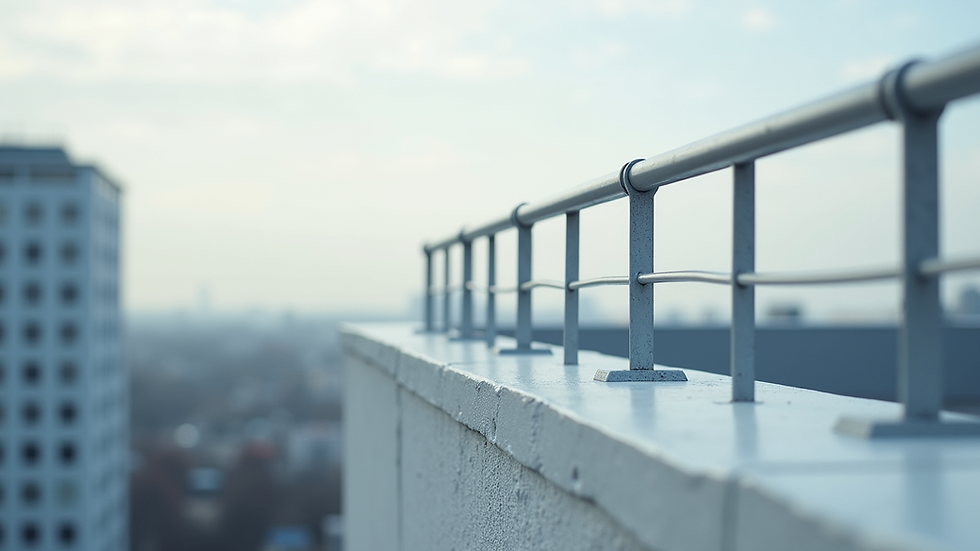
Top rail: The main horizontal bar at about 42 inches above the roof surface.
Mid rail: A secondary horizontal bar placed halfway between the top rail and the roof.
Posts: Vertical supports spaced evenly to hold the rails in place.
Base plates or anchors: Secure the posts firmly to the roof structure.
Materials often include galvanized steel, aluminum, or heavy-duty plastic components. The choice depends on factors like durability, weight, and environmental conditions.
Proper installation is critical. Guardrails must be strong enough to withstand a worker’s weight and impact. They should also be positioned to cover all open edges, including skylights and roof openings.
What are guard rails on a roof?
Guard rails on a roof are safety barriers installed along the edges of a roof to prevent workers from falling off. They are designed to create a physical boundary that keeps people safe while working at heights. These rails are usually made from metal or other sturdy materials and are installed at specific heights to comply with safety standards.
The guard rails are not just simple fences. They are engineered systems that must meet strict criteria for strength and height. This ensures they can handle the force of a person leaning or falling against them without giving way.
In addition to protecting workers, guard rails also help companies meet regulatory requirements. For example, OSHA mandates guardrails for any work performed at heights of 6 feet or more in construction. This makes guard rails a critical component of any fall protection plan.
How to Choose the Right Guardrails for Your Roof
Selecting the right guardrails depends on several factors. Here’s what I recommend considering:
Type of roof: Flat roofs may require different guardrail systems than sloped or pitched roofs.
Duration of use: Temporary guardrails are ideal for short-term projects, while permanent systems suit ongoing maintenance needs.
Material: Choose corrosion-resistant materials for roofs exposed to harsh weather.
Weight and portability: Lightweight systems are easier to move and install but must still meet strength requirements.
Compliance: Ensure the guardrails meet OSHA and ANSI standards for height, strength, and spacing.
It’s also wise to consult with a safety professional or engineer to assess your specific site conditions. Proper planning and installation will maximize the effectiveness of your guardrails.
Best Practices for Installing and Maintaining Guardrails
Installing guardrails correctly is just the first step. Regular maintenance and inspections are essential to keep them reliable. Here are some best practices I follow and recommend:
Inspect before use: Check for loose fittings, rust, or damage before each workday.
Train workers: Make sure everyone understands the purpose of guardrails and how to use them safely.
Use additional fall protection: Guardrails are effective but may need to be combined with harnesses or safety nets in some situations.
Document inspections: Keep records of maintenance and inspections to demonstrate compliance.
Replace damaged parts immediately: Never compromise safety by using faulty guardrails.
By following these steps, you ensure that your guardrails continue to protect workers effectively throughout the project.
Moving Forward with Safer Roof Work
Safety is not a one-time effort but a continuous commitment. Installing and maintaining roof safety guardrails is a practical, proven way to reduce fall risks and protect lives. When companies prioritize these systems, they create safer workplaces and build a culture of care and responsibility.
If you want to enhance your fall protection strategy, consider integrating roofing guardrails into your safety plan. They are a smart investment that pays off in fewer accidents, better compliance, and peace of mind.
Remember, every step you take to improve safety helps protect the most valuable asset on any job site - the people. Let’s keep working to make roofs safer, one guardrail at a time.


Comments